
 Power Bank
.webp) Solar & green energy
Solar & green energy
 Electrical Accessories
.webp) Home Appliances
Home Appliances
 Office Appliance
 Cooking Appliances
The Future of Sustainable Power
May 09, 2026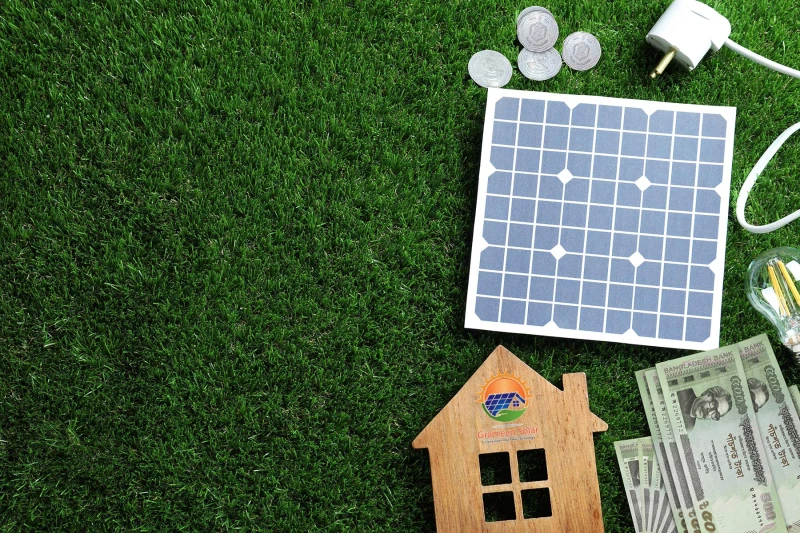
.webp)
Admin
Solar and Green Energy: The Future of Sustainable Power
In recent years, the demand for clean and renewable energy has increased rapidly across the world. Rising electricity costs, environmental pollution, and climate change are encouraging people and businesses to move toward sustainable energy solutions. Among all renewable energy sources, solar energy has become one of the most popular and effective options for producing clean electricity.
Green energy not only helps reduce dependence on fossil fuels but also creates a healthier and more sustainable future for the next generation.
What is Solar Energy?
Solar energy is power generated from sunlight using solar panels. These panels convert sunlight into electricity through photovoltaic (PV) technology. The generated electricity can be used for homes, offices, industries, farms, and even large commercial power plants.
Solar energy is:
Renewable
Eco-friendly
Cost-effective in the long term
Low maintenance
Sustainable
Today, many countries are investing heavily in solar technology to reduce carbon emissions and achieve energy independence.
What is Green Energy?
Green energy refers to energy produced from natural and environmentally friendly sources that create little or no pollution. These sources are renewable and can naturally replenish over time.
Common sources of green energy include:
Solar Energy
Wind Energy
Hydropower
Biomass Energy
Geothermal Energy
Green energy plays a major role in reducing greenhouse gas emissions and protecting the environment from harmful pollution caused by coal, oil, and gas.
Benefits of Solar and Green Energy
1. Environment Friendly
Solar and green energy produce clean electricity without releasing harmful gases into the atmosphere. This helps reduce air pollution and global warming.
2. Lower Electricity Bills
Installing solar panels can significantly reduce monthly electricity expenses. In many cases, excess electricity can also be sold back to the grid.
3. Renewable Energy Source
Unlike fossil fuels, sunlight and wind are naturally available and will not run out.
4. Energy Independence
Countries and individuals can reduce dependence on imported fuel and unstable energy markets.
5. Low Maintenance Cost
Solar systems require minimal maintenance and can operate efficiently for 20–25 years or more.
6. Job Creation
The renewable energy sector creates new jobs in manufacturing, installation, maintenance, and research.
Why Solar Energy is Growing Rapidly
Several factors are driving the rapid growth of solar energy worldwide:
Increasing electricity demand
Falling prices of solar panels
Government incentives and subsidies
Awareness about climate change
Technological advancements in battery storage
Many homeowners and businesses now see solar energy as a smart long-term investment.
Solar Energy in Bangladesh
Bangladesh is becoming increasingly interested in renewable energy solutions, especially solar power. Due to abundant sunlight throughout the year, solar energy has strong potential in both urban and rural areas.
Solar systems are already being used for:
Rural electrification
Irrigation systems
Residential homes
Commercial buildings
Educational institutions
As electricity demand continues to rise, solar energy can play a major role in ensuring sustainable development in Bangladesh.
Challenges of Solar and Green Energy
Although renewable energy has many advantages, there are still some challenges:
Initial installation cost can be high
Energy generation depends on weather conditions
Large-scale storage systems are still expensive
Requires proper infrastructure and maintenance
However, continuous technological improvements are making renewable energy more affordable and efficient every year.
The Future of Renewable Energy
The future of energy is clearly moving toward renewable and sustainable solutions. Governments, businesses, and consumers are increasingly adopting green technologies to reduce environmental impact and achieve long-term energy security.
In the coming years, we can expect:
More affordable solar systems
Better battery technology
Smart energy management systems
Increased use of electric vehicles powered by renewable energy
Greater global investment in clean energy
Solar and green energy are no longer alternatives — they are becoming essential parts of modern life.
Author Q&A
Q: 1. What is the difference between solar energy and green energy?
Solar energy is a type of green energy produced from sunlight. Green energy is a broader term that includes solar, wind, hydro, biomass, and other renewable sources.
Q: How do solar panels work?
Solar panels absorb sunlight and convert it into electricity using photovoltaic (PV) cells.
Q: Is solar energy expensive?
The initial installation cost can be high, but solar energy saves money over time by reducing electricity bills.